
Canadian Payroll Overview - Business Payroll Starter Guide for 2026

Table of Contents
Overview
Canadian payroll is not rocket science. For most, it is also not a pleasant walk in the park. The most common and costly mistakes usually happen when setting up. This guide is intended to be your starting point and the objective is to make the process straightforward. To achieve this, we will have a clear breakdown of how to get to your first payroll. We will then touch on some things you should be aware of, in case they come up or are relevant.
Let's payroll!
Getting to your first payroll
When to run your first payroll?
You need to run your first payroll when you have your first employee. You can pay contractors in different ways but employees require deductions and remittances. You can choose to avoid hiring employees for different reasons but that can hold you back from getting the best talent. You are hiring your first employee, now what?
Step 1: Business number and CRA payroll account
You need to set up with the CRA. You may already have a business number (BN). If you don’t, instructions for setting that up are available on the CRA website here.
If you have a business number, you need to create a CRA payroll account. You need this to make remittances for income tax, CPP, and EI. More information can be found on the CRA website here.
Ok. That was the CRA stuff. Time to get to the payroll stuff.

Step 2: Choose pay frequency
How often do you want to pay your employees? Most Canadian employers choose Bi-weekly (every two weeks) or Semi-monthly (twice per month). We see employers pay weekly but that means more work for you - running payroll four times per month. Some employers pay monthly, but that can create cash flow issues for your staff.
You should choose a schedule that makes sense for your organization.

Step 3: Choose outsourced or DIY
If you are terrified of the concept of payroll and finances are not an issue, you can outsource your payroll work. Your accountant or bookkeeper may be a logical path for that. Collage provides its own managed payroll service to help you with this.
If you are looking to save dollars and are open to a bit of learning, you should run payroll yourself. It will not be a lot of work when you start. It will also give you control of the process and valuable knowledge for the future.

Step 4: Choose your payroll software
Some people still use a spreadsheet. Some use checks. Don’t be that person. Canada has different platforms that can save you many hours and headaches in the process. Don’t trust an accountant who doesn’t trust software either.
A great list of the best Canadian payroll software can be found here. We recommend Collage’s payroll software for how intuitive it is and for how integrated time off and timesheets are.
.webp)
Step 5: Onboard to your payroll software
Set up your payroll platform. You’ll need to enter the BN and CRA payroll account number from above. You’ll also need to sign a pre-authorized debit (PAD) agreement to allow your software to debit your business account. This shouldn’t be a lengthy process. You then need to add your first employee(s).

Step 6: Run your first payroll
Hitting “Run” is a big milestone! You made it… To your first payroll. Double check the numbers. Make sure you understand the high level deductions in the summary provided by your payroll software. If there is an option provided by the software provider, ask them to review before you hit run.

Step 7: Set payroll and payrun reminders
Your first payrun is not your last payrun. Unfortunately, some organizations still miss payrolls and their employees get paid late. It is almost always the fault of the business owner or the person running payroll.
You need to understand when your “approval deadline” is with your payroll software. It will usually be 3-5 business days before employees get paid. Set reminders in your calendar on a recurring basis for the day you need to approve. If possible, set a reminder for the day before. Take stat holidays into account! Stat holidays will shift when you need to approve your payroll.
%20(33).png)
Some other things to consider
That was the process. If you finish reading here, you should be ok (in most situations). But there are other things to consider, depending on your organization.
1. Hourly employees
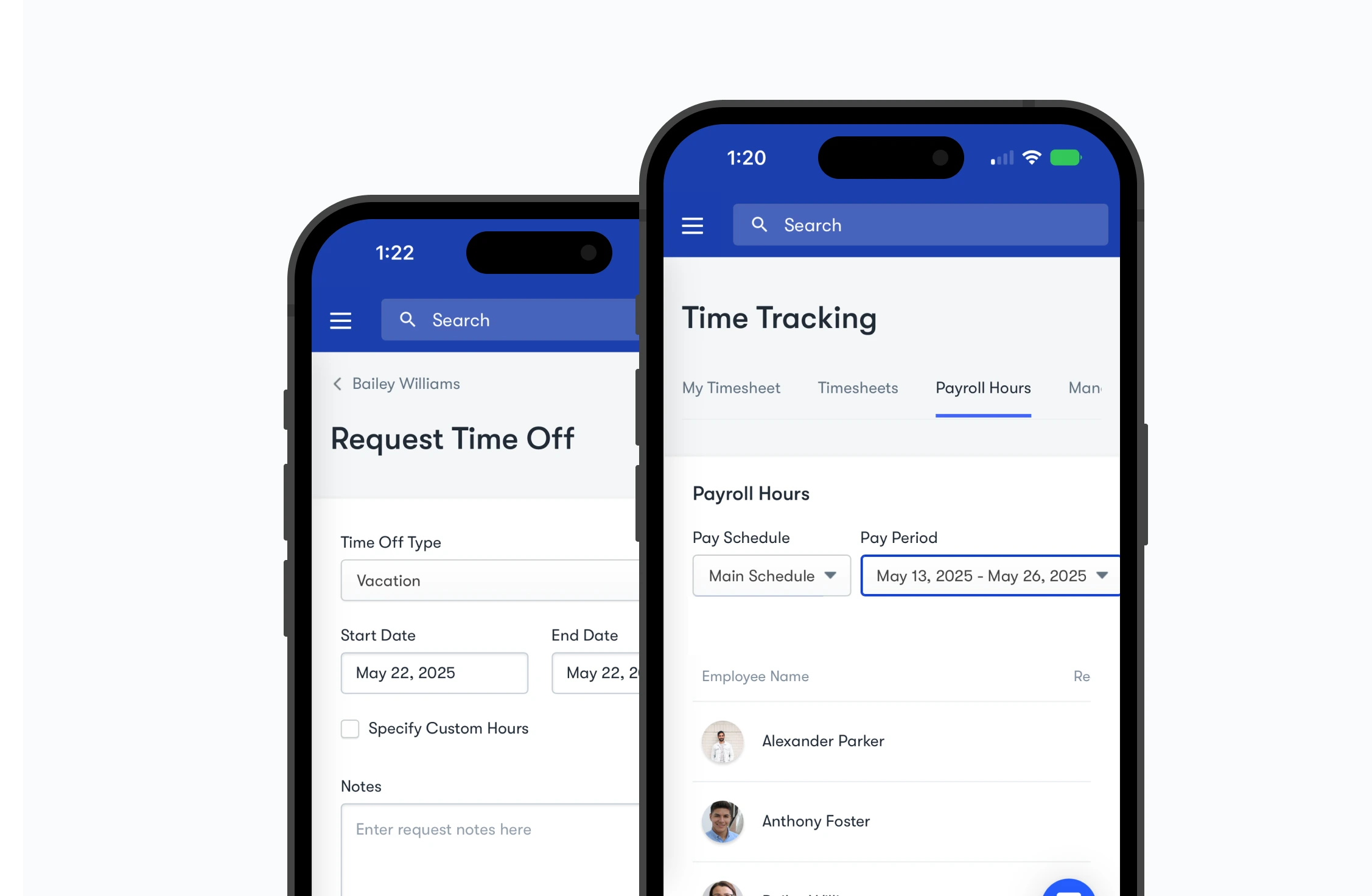
Employees can be salaried or hourly. With salaried staff, they are usually paid the same amount every period. For hourly, you will need to track their hours. Some payroll platforms like Collage, have a timesheets module to make it easy and sync the data.
2. Time off
You will also need to track time off. Elements of your PTO can also flow into staff’s pay stubs. Many employers choose to not have time off data flow to payroll, to save some time.
%20(1)-p-3200.webp)
3. Provincial legislation
Provinces have different rules. This is most important to consider when it comes to stat holidays and overtime rules. This is where choosing the right Canadian payroll software can also remove the burden of tracking this. Collage’s payroll, time off and timesheets already come with Canadian compliance built-in.

4. Quebec
Quebec employees can make things more complicated. With Quebec employees, you need to remit to Revenu Québec. Correct, that is the only province with its own governing body. You will also need to register with Revenu Québec in such a case.

5. Reimbursements and benefits deductions
It’s likely that you will need to figure out some reimbursements. Things like travel, office expenses, and meals may need to be reimbursed. You may also have benefits deductions (and reimbursements) that need to be included in your staff’s payroll.
%20(34).png)
6. Record of employment (ROE)
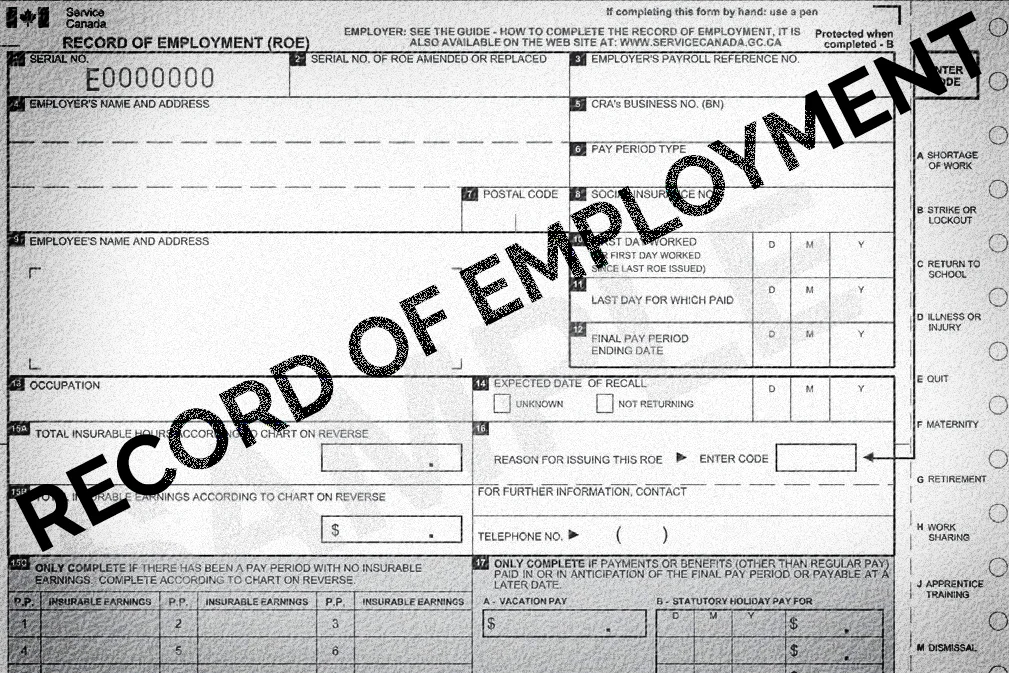
If an employee is laid off or terminated, you will need to issue an ROE. Payroll platforms like Collage can help with that. An ROE allows an employee to apply for employment insurance (EI).
You are ready to payroll!
%20(50).png)
.png)
%20(44).png)